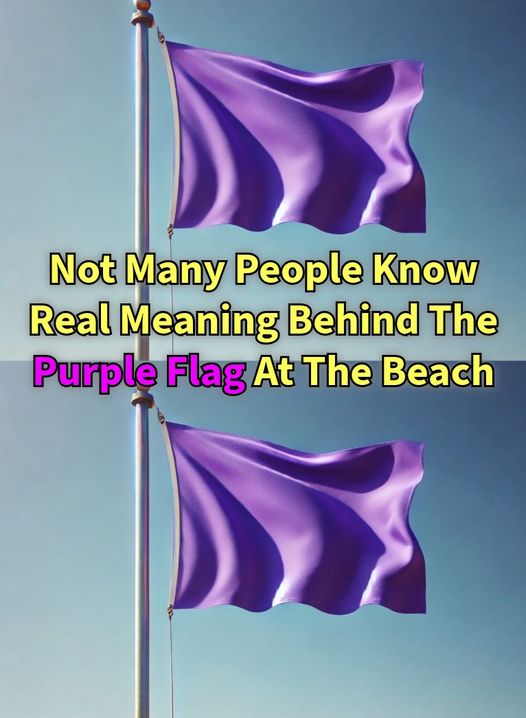
As someone who absolutely adores the beach season, I’ve spent countless hours basking in the sun, building sandcastles, and frolicking in the waves. There’s just something magical about the salty breeze, the sound of crashing waves, and the feeling of sand between your toes that brings a sense of pure joy. But amidst all the fun, I recently stumbled upon a mystery that I had never unraveled before – the enigmatic purple flag.
We’re all familiar with the beach’s flag language – the vibrant green indicating safe and calm waters, the fiery red waving warnings of strong currents, and even the sunny yellow reminding us to be cautious. Each color has a tale to tell, a vital piece of information for beachgoers like me who love to take a dip in the vast blue expanse. But what in the world does purple signify? Prepare to be surprised, as I was, because it’s not just any ordinary flag.
Picture this: it’s a perfect day at the beach, and you’re standing on the shoreline, ready to dive into the waves. The waves are gentle, the sun is shining, and everything seems to be in harmony. Your eyes sweep over the familiar flags, assessing the ocean’s mood. Green – low hazard and calm conditions. Check. Yellow – medium hazard level, proceed with a little caution. Got it. Red – high hazard, rough waters ahead. No problem, I’m a seasoned beachgoer, and I know my limits. But wait, there it is – the purple flag, fluttering in the breeze, like a riddle waiting to be solved.
Curiosity piqued, I embarked on a quest to decipher the secret behind this mysterious flag. And what I uncovered was both astonishing and enlightening. The purple flag isn’t just another warning; it’s a message from the sea itself, warning us of the presence of marine pests. Imagine that – the ocean communicating with us through a simple color, ensuring our safety while we enjoy its embrace.
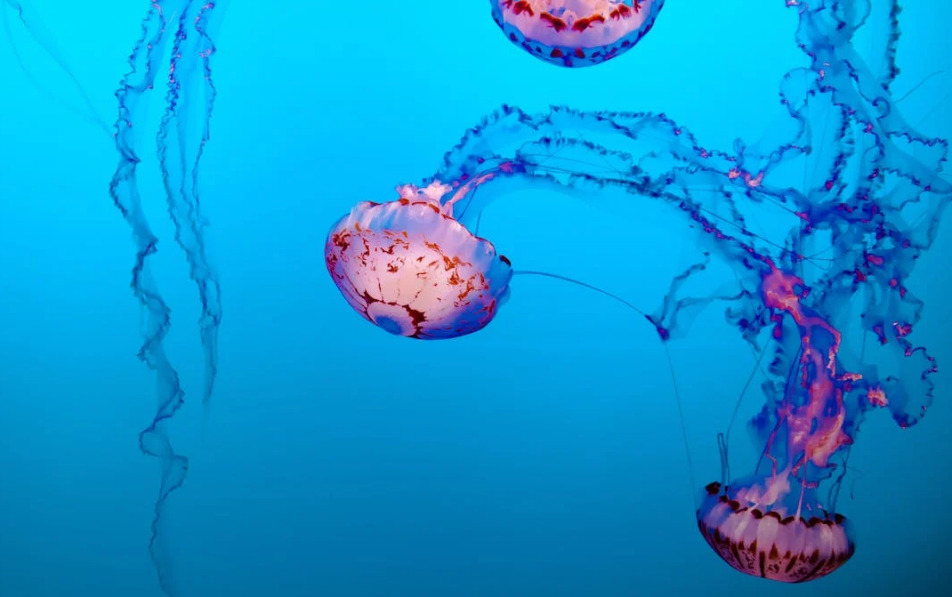
Marine pests, you say? Yes, you read that right. The purple flag is like a beacon, cautioning us about the potential companions we might encounter beneath the waves. Jellyfish, those ethereal yet sometimes stinging creatures, might be sharing the water with us. But that’s not all – lurking beneath the surface could be stingrays and other dangerous fish. Suddenly, that purple flag takes on a whole new level of importance.
So, the next time you spot that enigmatic purple flag, don’t just dismiss it as another piece of beach decor. It’s a signal, a heads-up from the ocean itself, a reminder that beneath its sparkling surface lies a world of both beauty and potential hazards. As beach lovers, it’s our responsibility to heed this message and adjust our plans accordingly.
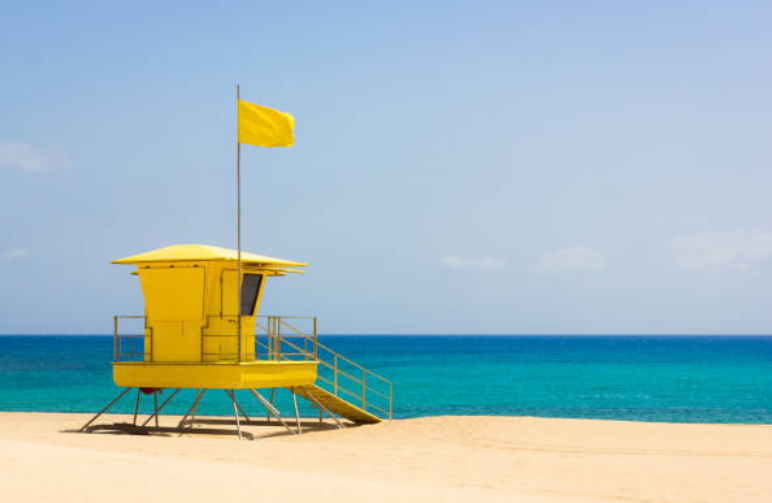
Remember the other flags? Green means calm waters, a perfect invitation for a leisurely swim. Yellow warns of moderate hazards – perhaps a bit of extra caution is in order, but the waters are still inviting. Red, on the other hand, indicates a more serious warning. High hazard, rough conditions – this is when the waves are a bit too wild for comfortable swimming. And when you see a double red flag, it’s a clear sign that the water is off-limits, a red line drawn for your safety.
But the purple flag? It’s the ocean’s way of saying, “Hey, there might be some uninvited guests in the water today.” It’s a lesson in coexistence, a chance for us to appreciate the intricate balance of the ocean ecosystem.
So, my fellow beach enthusiasts, the purple flag is no longer a mystery, but a symbol of oceanic communication. So, the next time you visit your favorite beach and spot that intriguing purple flag, you’ll know that it’s the sea’s way of saying, “Welcome, but be aware.” Let’s embrace the ocean’s message, respect its inhabitants, and continue to enjoy the waves with a newfound understanding.
Leave a Reply