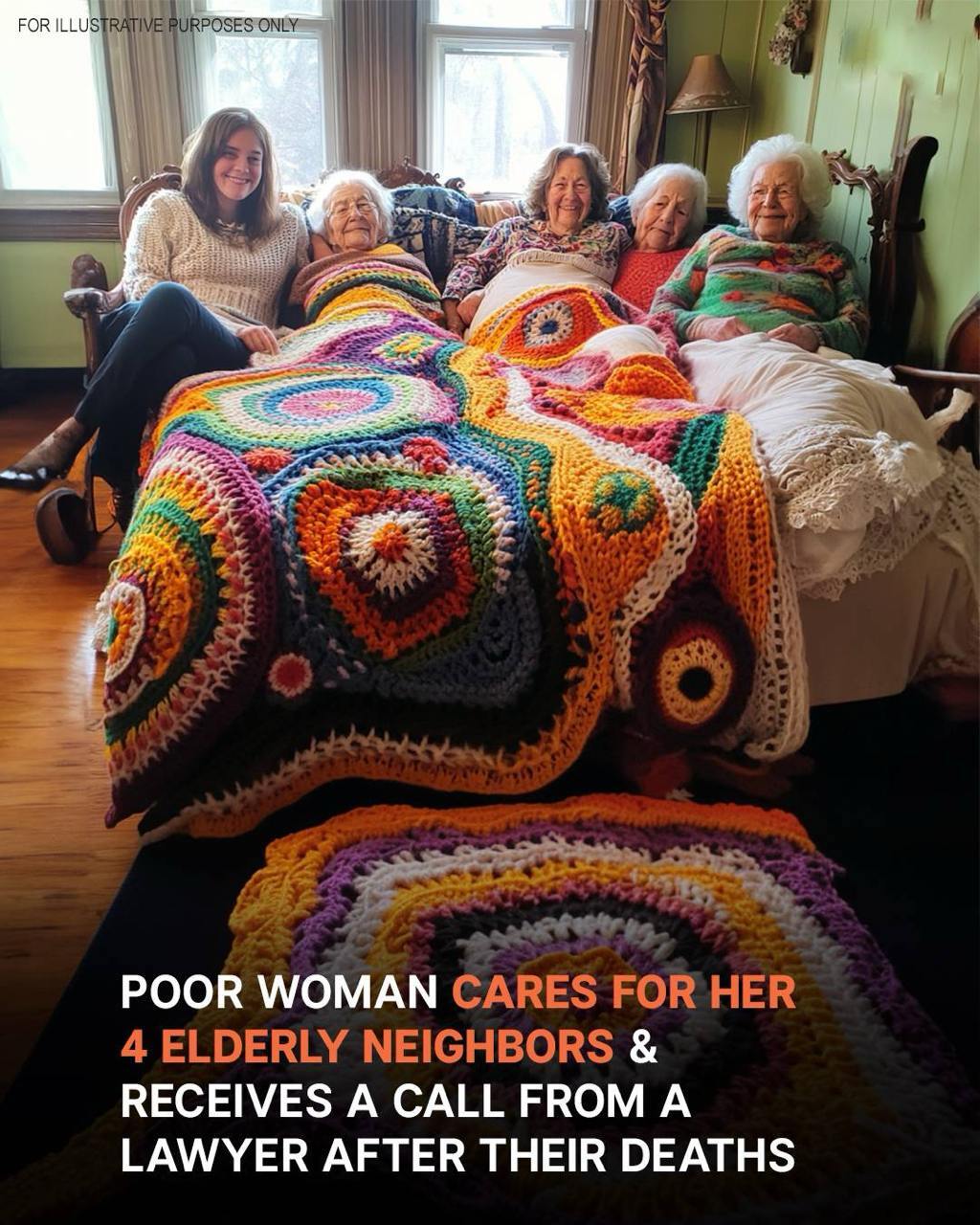
Melanie Harper never thought of herself as rich. She was used to living on a low budget because she worked as a nurse in a tiny rural hospital. The outside world might believe that healthcare professionals in her nation made enough money to live comfortably, but Melanie’s situation was much more nuanced. She used a large portion of her income to settle the obligations left by her deceased parents. In addition to inheriting their modest two-bedroom home in a quiet neighborhood, she also inherited all of the associated financial obligations.
In their own right, her parents, Michael and Teresa Harper, had been community leaders. For many years, they operated a small bakery where they served coffee, pastries, and warm bread to both locals and tourists. Despite everyone’s affection for the bakery, it never made enough money to save for retirement, much less pay for major bills. Her parents accrued large medical expenditures when they became unwell in their later years. They died, leaving Melanie with a mound of debt that she was forced to take on.
Nevertheless, she saw the family house as a place of refuge. The old house was situated between two equally modest houses on a street surrounded with trees. It included a dilapidated porch swing that creaked when she sat down on it after a long day at work, and a small front yard full of geraniums in bloom. She enjoyed sitting outside with her coffee, resting her sore feet, and watching the local children ride their bikes on warm days. Sometimes, all of her troubles seemed a little less heavy because of those little joys.
Getting to Know Her Senior Citizens
The sense of camaraderie in her peaceful neighborhood was one of the things Melanie loved most about it. Warm greetings were exchanged, along with questions about each other’s days and perhaps the offering of homemade sweets or extra food from their gardens. However, a little larger house on the same block was shared by four neighbors, sisters in their nineties. With the exception of going grocery shopping or pacing their yard in pleasant weather, they hardly ever left the house. She knew very little about their daily life, but she frequently observed them from a distance.
Alice, Bernice, Connie, and Dorothy were all very old sisters. They had reportedly stayed close all of their lives, despite the fact that each had married, had children, and dealt with happiness and sorrow in various ways. As time went on, they found themselves living together. Maybe they felt more at ease living among someone they had known for a long time, or maybe it was loneliness. For whatever reason, they were happy with their routine: getting up early, caring for the little flower beds in their front yard, and going on quick walks while holding hands.
On mornings, Melanie would make her first cup of tea and observe them through her kitchen window. She observed how cautiously they went, how the others would pause and wait, and how one of them would pause to collect her breath. Every now and then they noticed Melanie observing and smiled softly.
Melanie returned home early from a shortened shift at the hospital one fall day. She saw the four sisters straining to carry heavy grocery bags from the trunk of a dilapidated automobile as she drove up the street. They had to walk a little to the front door because they parked on the curb instead of the driveway. The oldest, Alice, appeared as if she may give way beneath the weight of a particularly big bag of canned goods.
Melanie parked her car in her driveway, dropped her purse inside the house, and ran over in alarm. She gently removed one of the bulkier bags from Alice’s hands without asking permission. “Allow me to assist you with these,” she said in a worried tone. “They appear really heavy.”
The sisters looked surprised yet appreciative. Bernice, dressed simply in a floral dress and wearing supportive orthopaedic shoes, smiled hesitantly at Melanie. “Thank you, my love. We were unaware that our groceries would weigh that much.
Melanie said, “I’m just glad I got here in time,” as she took additional bags from Connie, who gave a bashful nod. The second oldest, Dorothy, appeared relieved to be lighter as well. They went up the short path to the sisters’ front door together.
Melanie entered the house and saw a comfortable living room with framed photos on each table, crocheted blankets, and well-worn furniture. There was a subtle aroma of lavender potpourri in the air. Melanie felt at home right away because of the cozy atmosphere that pervaded the room.
Alice insisted on giving Melanie a cool drink when they placed the items on a tiny kitchen table. She said, searching a cabinet, “You must be thirsty.” “Give me some lemonade for you. Thank you for your assistance.
Melanie nodded appreciatively, acknowledging that she was thirsty. She looked around the kitchen while she sipped. Although it was neat, it appeared to require a thorough cleaning, with dusty high shelves and a floor that needed to be mopped. She also saw that the sisters moved cautiously and slowly, which she assumed was a result of their advanced age and health conditions. She pondered how they handled their everyday responsibilities without being overly stressed.
Nevertheless, the sisters were kind and upbeat, talking about how beautiful the area was, how the leaves were turning red and yellow as fall drew near, and how they had lived there for so long they couldn’t remember how many years. For a few more minutes, Melanie lingered and made small talk. She felt a strange tug in her chest as she said farewell to them and made her way back across the street, a feeling that these women needed more assistance than they were admitting.
Providing Assistance
Melanie had a difficult job as a nurse. Her shifts ran anywhere from eight to twelve hours, depending on staffing demands, and she frequently left her home before dawn to arrive at the hospital by 6:00 AM. Some days she couldn’t wait to get into bed because her eyes would feel gritted, her feet would hurt. She couldn’t ignore what she had witnessed in the sisters’ house, though, for some reason. The idea of them having difficulty with daily chores, particularly when no one else was available to assist, was too much for her to handle.
After a long day, Melanie noticed the porch light of the sisters was on one evening. Thinking they might still be up, she went to knock on their door. When Dorothy spotted Melanie wearing scrubs, she blinked in surprise and responded.
“Good evening,” Melanie said. “I wanted to see if there was anything I could do for you once I got off work. Do you require assistance with putting out the trash or preparing dinner? You all appeared quite worn out this afternoon.
Dorothy paused, then moved out of the way. “Enter, my love. We were in the process of deciding what to have for supper. We have also had a long day.
Melanie discovered the three other sisters seated around the tiny dining table inside, debating what to do with some leftover chicken and a box of frozen vegetables. The most intelligent of them, Alice, had prepared a basic shopping list for the following day. Bernice and Connie exchanged doubtful glances about how they would cook. The air was a little strained, as though they were all too courteous to express their distress over their weariness.
Melanie rolled up her sleeves and said, “Please, let me handle dinner.” “I can quickly come up with something. Just unwind, everyone.
She pulled out a frying pan, put on an extra apron, and started to sauté the chicken with garlic and onions. After she boiled pasta water and added a little seasoning, the aroma of a home-cooked lunch quickly filled the kitchen. As they watched in wonder, the sisters would occasionally interrupt to offer small advice or requests. The sisters were beaming from ear to ear by the time Melanie placed four dishes on the table.
Alice patted Melanie’s arm and remarked, “You’re a gift from heaven, my dear.” “At least allow us to compensate you for all of your trouble.”
She received a mild headshake from Melanie. “Oh no, Alice. You can’t do that, I’m afraid. I’m not assisting you for financial gain. I care about everyone of you, which is why I do it. Don’t worry about it, really.
Melanie resisted the sisters’ objections. She was happy that they were comfy and fed. She cleaned the counters, took out the garbage, and washed the dishes after they had finished eating. It was almost ten o’clock by the time she got back to her own home. Strangely enough, she felt motivated rather than exhausted, even though she still had to get up early for her shift. She had felt fulfilled after helping them, something she hadn’t felt in a long time.
An Increasing Connection
Melanie developed the practice of visiting the sisters’ home whenever her schedule permitted as the weeks went by. If they needed fresh produce, she would drive them to the shop or go in the morning on her days off to assist them with supplies. She offered to prepare dinner or clean up their yard if her shift ended early. At times, she just sat with them and listened to their childhood experiences and the various directions their lives had taken.
The oldest, Alice, told stories about ration lines during World War II and how she used to prepare bread for the soldiers who were stationed in their town. Bernice showed Melanie the antique upright piano she maintained in the living room corner while talking about her brief stint as a piano instructor. The youngest, Connie, talked of her wayward adolescence and how she once skipped class to pursue her passion of becoming a dancer, which her parents quickly put an end to. Always composed and at ease, Dorothy talked of her late husband, a good-hearted man who died too young from an unanticipated disease.
Melanie reciprocated by sharing her own life story, including the hardships of losing her parents, balancing nursing school with part-time work, and expressing gratitude for their ancestral home in spite of the burden of the outstanding debts. She acknowledged that her financial circumstances felt hopeless, but she always kept in mind that there were others in worse shape, and she found that being thankful for even the smallest things helped her get through difficult times.
These open discussions let Melanie perceive the sisters as more than simply her neighbors; they became her friends and even a kind of adoptive family. She was reminded of the grandparents she never had the opportunity to get to know by their wit and wisdom. They responded by treating Melanie like a cherished niece or grandchild, taking care of her health, telling her not to put in too much effort, and insisting that she bring home whatever leftovers or fresh vegetables they had on hand.
Even though they became close, Melanie still had periodic concerns about the sisters’ kids. “Do your kids ever come to visit?” she inquired mildly.—but the sisters’ responses were only evasive. Connie clarified that they were all adults, lived in various locations, and were “too busy to travel often.” Melanie didn’t press the issue since she could sense a deeper level of hurt than they wanted to express.
The Nursing Home Question
Melanie asked the topic that had been on her mind for a while while they were sitting around the dining table drinking tea during one of her visits: “Pardon me for asking, but have you ever thought about a nursing home? You wouldn’t have to worry about everyday tasks because they have staff that works around the clock.
Alice shook her head thoughtfully as Bernice drummed her fingers on the table. Alice said, looking at her sisters, “We’ve had that conversation.”
Dorothy spoke in a forceful but composed tone. She remarked, “We simply don’t trust nursing homes.” I’m sure there are wonderful ones, but we’ve also heard tales of severe schedules or mistreatment that would keep us apart. We’ve been together all our lives. Our goal is to be together until the very end.
Connie nodded and groaned. Additionally, we would be surrounded by strangers in a nursing facility. Sincere friendliness and familiarity are more important to us now than convenience. We don’t want to be concerned about whether others are acting with ulterior intentions. It feels safer to be here, where we know everything.
Taking their words to heart, Melanie nodded. “That’s fair,” she said quietly. “Just know that I’m here for you as long as I can. I’m always here for you.
The sisters smiled with relief. Dorothy extended her arm to touch Melanie’s hand. “Having you as our neighbor is such a blessing,” she said kindly. “No one could ask for a better neighbor than you.”
Melanie flushed yet experienced a wave of love for these women. She was unable to articulate why it mattered so much to her to help them, but each time she saw their happy expressions and heard their sincere gratitude, it eased her own concerns.
The Weight of Loss and the Passage of Time
Months stretched into a few years. Naturally, the sisters’ health deteriorated with time. Alice started experiencing regular episodes of dyspnea. Bernice struggled to stand without knee pain. Dorothy became more reliant on others to lead her around as her vision deteriorated. Despite being the youngest, Connie experienced bouts of vertigo that occasionally left her bedridden for days at a time.
They maintained their fortitude in spite of their failing health, frequently laughing off their discomforts. Melanie remained an unwavering influence in their lives. She helped them manage their meds, provided transportation to doctor’s appointments, and even pushed their wheelchairs down the paved paths in the park, which was shaded by old oak trees.
Unfortunately, the inevitable started to occur. Bernice died quietly in her sleep one chilly winter morning. When Melanie arrived with warm soup for lunch and saw the three surviving sisters huddled over Bernice’s bed in quiet mourning, she learned the news. It was a somber funeral, the first that Melanie had planned for them. Only a small group of old friends and neighbors showed up. Melanie became aware of how aloof such relationships must have been when she noticed that the sisters’ kids were noticeably missing.
Alice’s health deteriorated in the months that followed. Although she had always been the one who was strong and steady, her spirit seemed to be sapped by Bernice’s passing. She occasionally had trouble remembering even the most basic discussions, and her breathing became increasingly difficult. She eventually disappeared as well, leaving Connie and Dorothy to lament the loss of a sibling. Once more, Melanie planned the funeral. Only a handful of neighbors came to pay their respects this time.
Melanie was deeply saddened as she observed the sisters in mourning. Despite the weight of each loss, she continued to support Connie and Dorothy to the best of her ability. She made sure they took their meds on time, cleaned their house, and prepared their meals. Now that there were just two sisters living with them, she felt obligated to do everything within her ability to make them comfortable and well-cared for.
But time doesn’t wait for anyone. Dorothy’s vision worsened and she started to have cardiac issues as the months stretched into a new year. Connie discovered Dorothy unconscious on a chilly fall afternoon. Melanie took care of the paramedic calls and the little funeral arrangements once more. As the only one of her siblings to survive, Connie was devastated. The house was more deserted than before.
The Last Days of Connie
Connie, the last of the four sisters, made an effort to maintain her good mood at first, but it was obvious that she was deeply troubled. The burden of loss had caused her once vibrant spirit to fade. Despite this, she continued to thank Melanie. “I’m so grateful you’ve been here for us,” she would often tell her. You have gone above and beyond anything we could have ever asked for for our family.
Melanie made time for Connie as much as her job permitted. On days when Connie was too weak to eat solid food, she prepared homemade broth, assisted her with bathing and changing into clean clothes, and kept her company while looking through old family photo albums. Melanie recognized the sisters in those pictures as young, cheerful ladies who were hosting holiday meals, attending weddings, and enjoying their children’s birthdays. None of those youngsters appeared to have time for their elderly mothers in the pictures, which stood in sharp contrast to the current.
During their last talks, Connie was open about her regrets. One evening, she confessed, “I wish my kids cared enough to come see me.” “It aches that they never even call, not even on holidays, even though I know they have their own lives, families, and jobs.”
Uncertain of how to console Connie, Melanie listened with a sorrowful heart. She only gave the elderly woman a gentle back rub. “I apologize,” she muttered. “You were worthy of better.”
Connie saw a severe decline in her health shortly after. Grief, aging, and persistent health problems were too much for her body to handle. She too died in her sleep one chilly winter morning, and when Melanie came to check on her before going to the hospital, she found her dead hand and silent breath.
Meeting the Attorney
Melanie thought it was strange to be standing in the sisters’ peaceful house. The only one there was her. No family members hurried to offer their final condolences. No grown children stormed through the door, lamenting the death of a mother they adored. Melanie was the only one there, systematically cleaning the living room and putting Connie’s belongings in orderly boxes while her eyes were watering. Once inhabited by four different personalities, the house now felt empty, as if the friendship and laughing had vanished into thin air.
She anticipated that Connie’s burial would be as modest and private as the others, so she planned a straightforward service. That day’s weather was cloudy, with dark clouds hanging over the horizon. A couple of the neighbors stopped by to offer their condolences. Once more, there were no cards or flowers, no phone call, and the sisters’ kids were nowhere to be seen.
Melanie was approached by a woman wearing a stylish black coat as the service was coming to an end. She exuded a peaceful assurance. She held out her hand and said, “My name is Rebecca Clark, and I’m an attorney. Melanie Harper must be your name.
Melanie gave a blink. “Yes, I am. “Nice to meet you,” she murmured. She was not intrigued since she was too emotionally spent.
Attorney Clark remarked, “I’ve known for a while that you’ve been kind to these sisters.” “I sincerely apologize for your loss. I am aware of your closeness to them.
A knot formed in Melanie’s throat. “They were amazing individuals. “I can’t express how much I’ll miss them,” she answered, her voice breaking.
Rebecca touched Melanie’s shoulder tenderly. “This week, I need you to stop by my office. We need to talk about something pertaining to the sisters’ estate.
Melanie frowned slightly in surprise. “Estate? However, I’m not related. Everything is undoubtedly their children’s.
Rebecca smiled, a little, enigmatic smile. Unfortunately, things are more nuanced than that. If you’re free tomorrow, let’s discuss.
Melanie nodded, unable to come up with a clear answer. Thanking Rebecca for her visit, she sat alone once more and gazed out to sea, wondering what the lawyer might possibly want with her. She had trouble falling asleep that night. Her mind strayed from the sisters’ unfailing generosity to the occasions she had observed them long for visits from their children, but those visits never materialized.
Unexpected Developments at the Attorney’s Office
Melanie asked for a few hours off from the hospital the following day and traveled to Rebecca Clark’s small, outlying law office. It was a modest structure with a well-kept lawn and sleek, contemporary design. There were a few chairs, a water fountain, and a friendly receptionist who offered Melanie a cup of coffee in the tidy waiting area inside.
Rebecca signaled for Melanie to settle into a cozy chair after welcoming her into her office, which is furnished with a large oak desk and neatly kept files. After taking a seat behind her desk, she replied, “Thank you for coming.” “I know you must be going through a difficult time emotionally.”
Melanie fumbled with the strap of her purse. “To be honest, I have no idea why I’m here.”
Rebecca folded her hands and nodded. “I’ll be straightforward. As you know, none of the children of Alice, Bernice, Connie, and Dorothy attended the funerals. These sisters were increasingly disappointed by their children’s absence as they grew older. They informed me that you, Melanie, were the one who showed them love and affection every day while their kids were busy living their own lives. You were, aside from blood, their daughter in every way.
Melanie’s gaze expanded. Her heart skipped a beat. Quietly, she confessed, “I loved them like family.” “However, I never asked for anything in return.”
“Well, before they passed away, they made some changes to their wills,” Rebecca added, opening a document on her desk. And you are concerned about these changes.” She gave Melanie a document. You were left in charge of everything. The home, any investments and bank funds they may have had, and any assets such as jewelry or family heirlooms.
Melanie’s eyes darted over the perfectly printed lines of legal text, and she was momentarily stunned into silence. She began shaking her head. “This isn’t possible. I’m not related to them; I’m just their neighbor. Their offspring would undoubtedly be the legitimate heirs.
Rebecca bent over. “They purposefully altered the will. They were certain of it. I have had extensive conversations with them, and they expressed that they felt you were the only person who genuinely cared for them in their last years. They thought you were deserving of this.
Melanie’s eyes began to well up with tears. She felt overwhelmed, caught between despair, amazement, and thankfulness. “I’m at a loss for words. I don’t think I deserve such a large present.
Rebecca smiled softly at him. They wanted you to have it for precisely that reason. since you have no expectations. Your sincere generosity in helping them meant the world to them.
Melanie nodded, swallowing hard, her voice too constricted to speak. Gazing at the document, she wondered what it would signify for her future. All of a sudden, her parents’ debt seemed manageable. Nevertheless, she felt a twinge of remorse because she had never once assisted the sisters in the hopes of getting anything in return.
The children’s resistance
Melanie got a call from the attorney’s office a few days after she met with Rebecca. Rebecca stated, “I just wanted to let you know.” “I keep getting calls from the sisters’ kids asking for a will reading. They believe they are going to inherit something. You may also hear from them because I have to inform them of their mothers’ wishes.
Melanie was apprehensive. She remarked, “I haven’t even met them.” “I’m not sure how they will respond.”
Rebecca chuckled briefly. Considering their history, they are unlikely to be pleased. However, the will is unchangeable. We ensured that. When the sisters signed, they were in good mental health. Although it may still be up for debate, you are legally in a strong position.
Melanie tried to calm herself, thanked Rebecca, and hung up. She was not interested in conflict. If the bequest did come to her, she only wanted to make the most of it and pay tribute to the sisters’ memories.
As anticipated, the children of the sisters, who were dispersed throughout various states, soon learned of the will. Some of them were furious and called Rebecca. Determined to contest the document in court, several threatened legal action. Rebecca had a composed, businesslike demeanor while providing Melanie with timely updates on this. The siblings insisted on knowing how their mother’s estate came to belong to a “stranger neighbor.”
However, Rebecca told them that each of them would receive a letter written by their mothers before to their deaths before they filed any official litigation. She suggested that they thoroughly study the letters before making a decision.
The Mothers’ Letters
On the same day, the kids got their letters, each written in a handwriting they knew well. Despite slight variations in language, the fundamental idea of each message was the same:
My darling child,
Why I left you nothing in my will may be a mystery to you. Know that I adore you and am proud of your accomplishments and self-reliance. Although I’m glad you established a new life for yourself, I’ve always hoped you would take the time to call or maybe come see me around the holidays. I felt the weight of your absence as the years went by.
Melanie was the only person who genuinely cared about me toward the end. You weren’t there when she was. It was painful for me to discover that I had become an afterthought in my loneliness, even though I know life is hectic. I made the decision to leave what little I had to the person who supported me throughout my last days because of this.
I hope my choice is acceptable to you. As you have done without me for all these years, you are more than capable of creating a life for yourself.
With affection,
Mom
The children of the sisters were shaken when they read these words. Some initially felt wronged and were outraged. Others experienced a heavy burden of shame as they recalled all the occasions they had opted for a weekend escape over visiting their aging mothers or job over family. In less than a day, they established a group chat in which they shared touching messages and anecdotes about how they had all become estranged from their mothers over time.
In the end, they canceled their intention to challenge the will. In their mother’s last words, they realized the truth: they had not been present. Rather than taking action themselves, they had abandoned their mothers to rely on a generous neighbor. It would be pointless to file a lawsuit, and it would just be a slight to the ladies they previously loved.
Recalling the Sisters
Melanie never had the opportunity to meet any of the sisters’ kids. They never made an introduction or requested a face-to-face meeting. But months later, on each sister’s death anniversary, Melanie went to the cemetery as she usually did to lay flowers on their graves and think back on the happy times they had spent together. She was shocked to find lovely bouquets of fresh lilies or roses already on the sisters’ gravestones. A little handwritten note that read, “From your loving family,” or just, “Miss you, Mom,” was attached to each card.
Melanie felt at ease when she saw these mementos of remembering. Even though the sisters’ kids hadn’t paid them a visit during their lifetime, they were at last demonstrating some affection and deference. It was a symbol of bittersweetness, as if the sisters had managed to impart one last lesson to their children before they passed away: never take your loved ones for granted.
Melanie’s New Chapter
Melanie’s life changed in a way she never would have imagined once the estate was in her name. Compared to her own, the sisters’ home was bigger and in better shape. She could either sell her parents’ house and move in with the sisters, or she could keep it and rent out the sisters’ property. After giving it some thought, she made the decision to move in with the sisters and continue renting out the house from her childhood, utilizing the proceeds to settle her outstanding obligations.
She retained a lot of the sisters’ possessions, including furniture, books, photographs, and most importantly, Bernice’s antique piano. One day, she intended to rebuild it, perhaps taking lessons in memory of the sister who used to teach music to the children in the area. Unsure if she would ever part with the jewelry and antiques, she carefully stored them. They reminded her of parts of a family she had grown to adore.
In the meantime, she paid off all of her parents’ debts with the funds from the sisters’ bank accounts. Released from the financial constraints that had held her back for so long, Melanie exhaled for the first time in her adult life. She was undoubtedly thankful for her newfound security, but she also had a deep grief that the sisters were not present to witness the happiness their kindness had brought her.
Her life’s purpose remained the same; she kept working as a nurse. However, she was now free to cut back on her hours, prioritize her health, and possibly even start saving money for the future. She also made the decision to volunteer once a week at a nearby senior center, providing medical examinations and company to the older residents. She wanted to be a welcoming face for those who might experience the same sense of isolation or abandonment as the sisters felt in their latter years since she recalled their dislike of nursing homes.
Knowledge Acquired
Melanie considered the things she had earned and lost over this voyage as the months passed. Yes, she had received financial relief and a house inheritance, but she had also lost four lovely people who had grown to be like family. She began to question whether there was anything more she could have done to help the mothers and children come together before it was too late. Was there a possibility of making amends? The solution was still a mystery. Sometimes regrets linger like shadows after life just leads people in various directions.
Melanie’s greatest takeaway, though, was the importance of lending a hand to others without anticipating anything in return. She had never entered the sisters’ house with the intention of making money; her only goal was to slightly improve their quality of life. The sisters ultimately decided to leave her everything because of that very selflessness. Melanie’s greatest asset was the relationship she had developed with them—the stories, the laughter, the peaceful afternoons spent side by side—even though the bequest gave her a sense of security.
She also served as a reminder of the brittleness of connections. The offspring of the sisters, who had become estranged, discovered too late that time passes more quickly than we think. They would always have to deal with the fact that their mother’s final days were spent under the care of a person who was not even their biological relative. All they could do now was murmur apologies to the wind and place flowers on gravesites.
The story’s lesson
1.Don’t expect anything in return when you help others.
Melanie Harper showed us that even a small act of compassion may make a big difference in someone else’s life. The warmth in your heart might be the prize in certain situations. In other cases, it might transform your life in unexpected ways.
2.Before it’s too late, spend time with the people you care about.
The four sisters hoped for calls and visits, but none ever materialized. When it was too late to make amends, their children finally came to understand the extent of what they had lost. Never disregard a family tie since regrets can last a lifetime.
Melanie’s story eventually made its way around the community and beyond. Her unassuming compassion inspired friends, coworkers, and even complete strangers. The reminder that kindness counts greatly and that the time we spend with our loved ones is priceless is maybe the most important lesson that might make someone’s day.
Leave a Reply