Millions of smartphone users across the U.S. are being urged to stay alert as a new wave of scam text messages has seen a dramatic spike—reportedly increasing by over 700 percent in just one month.
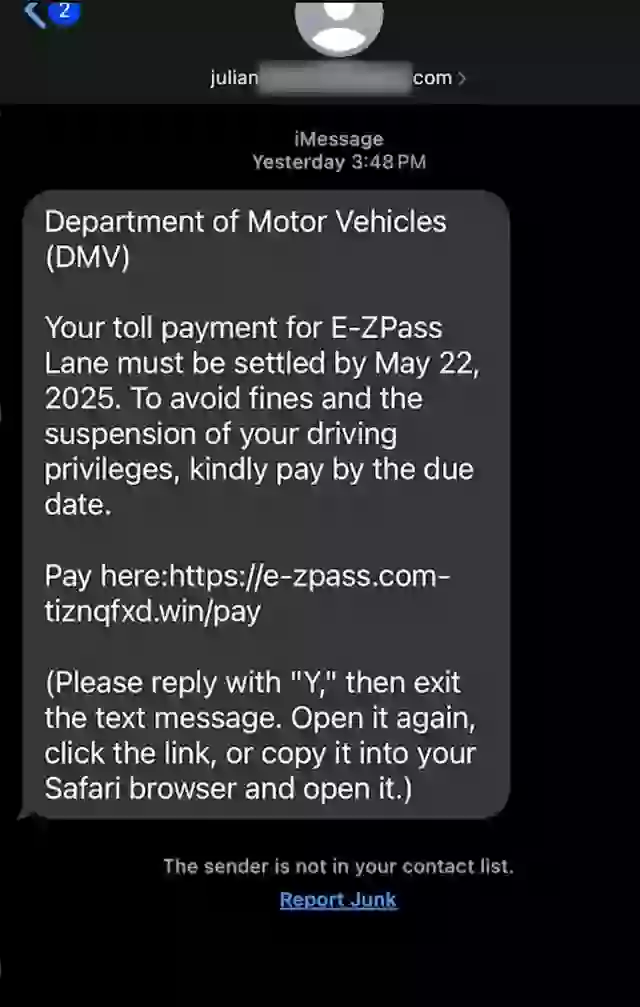
While text message scams are not new, cybersecurity experts and law enforcement are raising fresh concerns over a more sophisticated version now circulating widely. According to a recent Forbes report, these texts impersonate state Departments of Motor Vehicles (DMVs) and threaten recipients with penalties such as license suspension or fines for unpaid tolls.
Authorities are emphasizing that these messages are not legitimate, and they are urging people to delete them immediately without clicking any links.
What’s Behind These Texts?
The scam messages are designed to look official, often referencing unpaid tolls or fines and claiming that failure to respond could result in revoked driving privileges or legal consequences. However, officials warn that this is part of a phishing scam aimed at stealing personal or financial information.
What Are Authorities Saying?
The FBI and local police departments across several states have issued alerts. David Palmer, Supervisory Special Agent with the FBI in Tennessee, warned that clicking these links may install malware on your device—software that can access personal data or payment information.
“If you receive a message from an unknown sender with a link, don’t click it,” Palmer said.
Where Is This Happening?
The scam has been reported in multiple states including California, Florida, New York, Texas, Georgia, Illinois, Tennessee, and Washington D.C. Experts believe the messages are being sent in large volumes in the hopes that a few recipients will take the bait.
Guardio, a cybersecurity firm that monitors threats like phishing and identity theft, reported a 773 percent surge in these fake DMV texts during the first week of June alone. According to the company, the links in the texts lead to fake websites designed to trick users into entering their credit card or personal information.
“The DMV will never ask for sensitive information through text messages,” Guardio stated.
What Should You Do?
- Do not click on any links in suspicious messages.
- Delete the text immediately.
- If you have already entered personal details, update your passwords and monitor your accounts for any unusual activity.
- Report the scam to the FBI’s Internet Crime Complaint Center at IC3.gov.
Staying Safe
Scams like this highlight the importance of remaining cautious when receiving unsolicited texts, even if they appear to come from official sources. If in doubt, contact the agency directly through their verified website or phone number—not through any link sent in a message.
Protect your personal information, stay informed, and help spread the word to friends and family who might also be targeted.
Leave a Reply