In a world where money usually gets a lot of attention, some really impressive people go beyond the usual ideas about being rich. They set an example and use their money to help others.
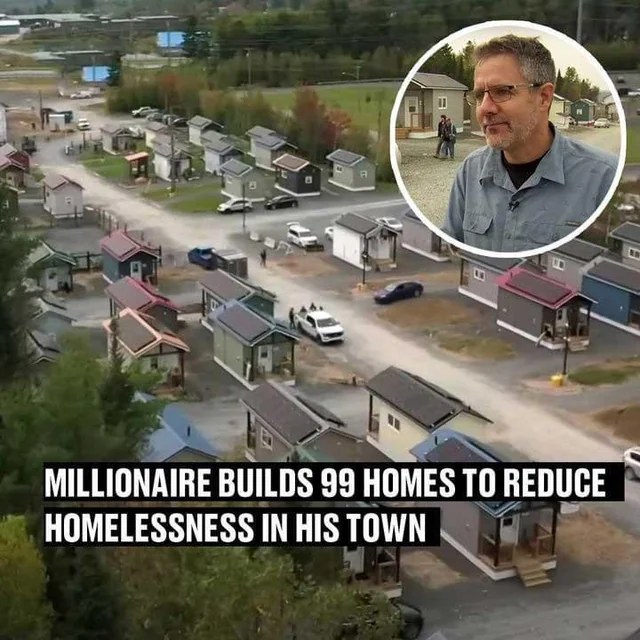
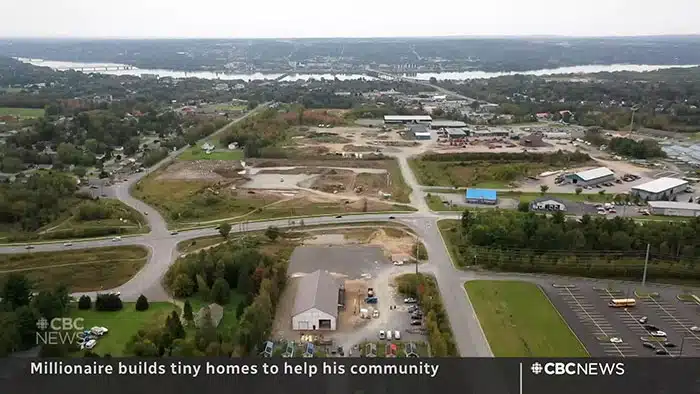
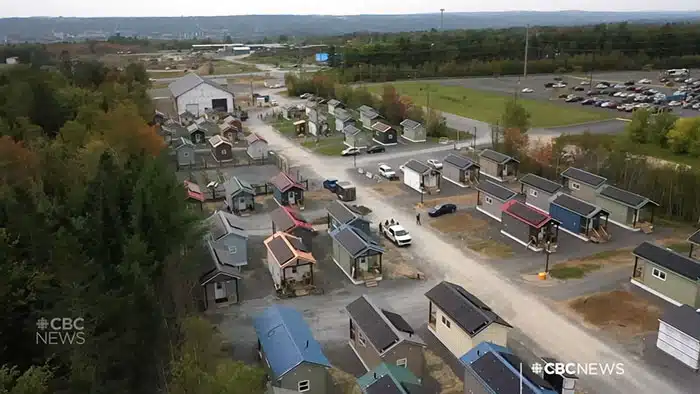
Take Marcel LeBrun, a rich guy from Canada. He did something amazing to deal with local homelessness. He built 99 small houses in his hometown.
After selling his business for a lot of money, he decided to use some of it to tackle the serious problem of homelessness in Fredericton, New Brunswick, Canada. Last year, at least 1,800 people in the city experienced homelessness for at least one day, as reported by CBC.
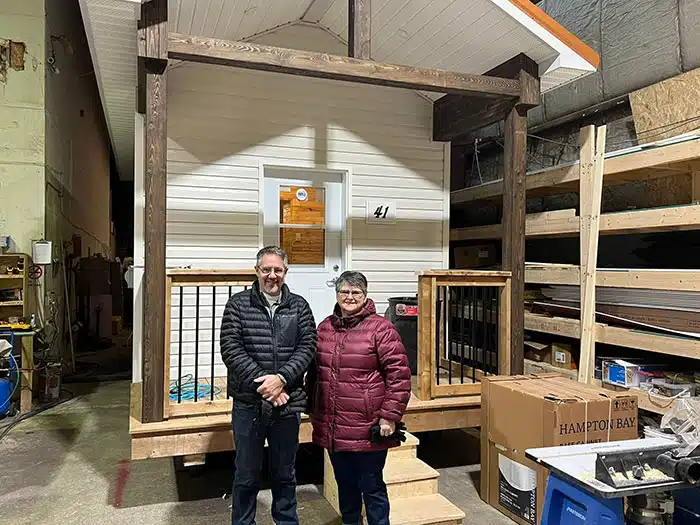
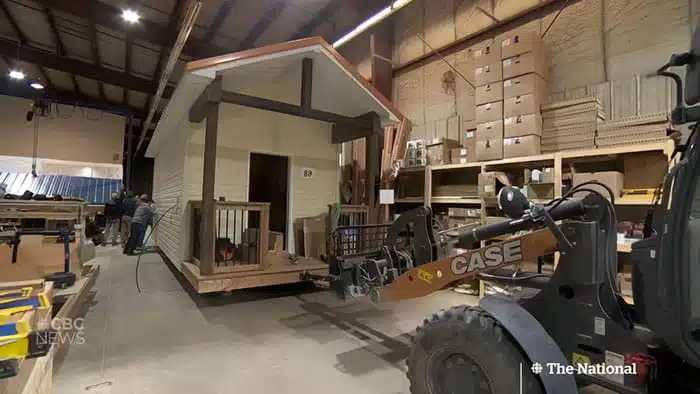
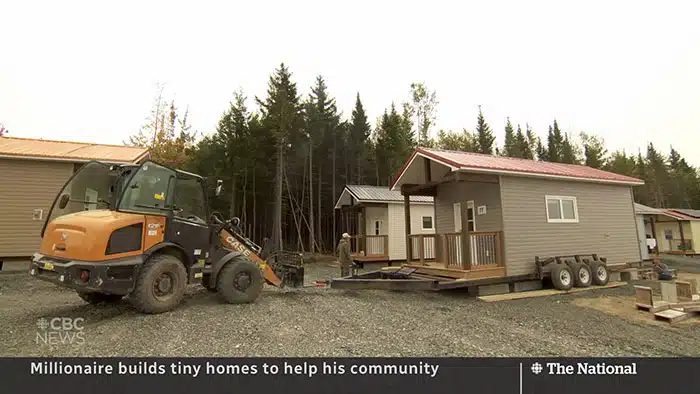
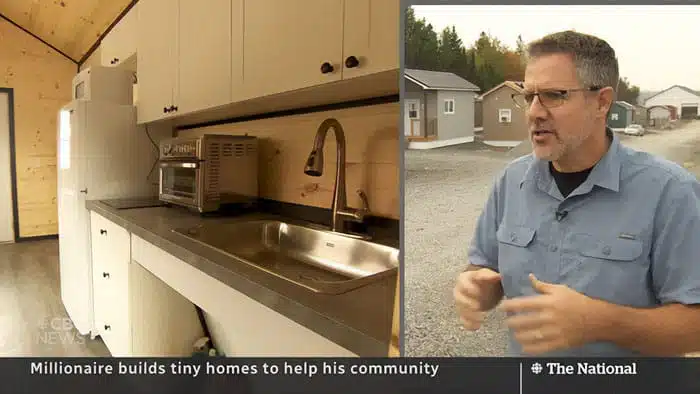
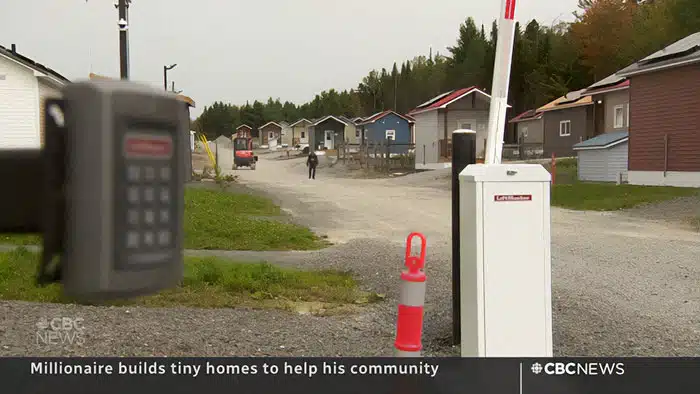
To solve this problem, Marcel spent $4 million to create what he calls the “12 Neighbours.” It’s like a special neighborhood of small homes. Each home has a kitchen, bedroom, bathroom, a little porch, and solar panels on the roof, even though they’re not very big.
Marcel has made good progress toward his goal of building 99 homes. The 12 Neighbours community also got $12 million from the government to help make the project bigger.
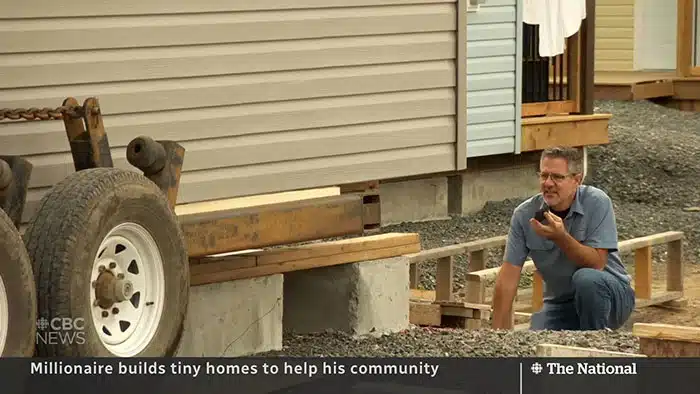
Marcel explained his motivation in a talk with a Canadian news station. He sees himself as someone who builds communities.
“I see myself as a community builder, and really what we’re doing here is not just building a little community, but we’re building a community in a city, like how do we help our city be better?” he explained.
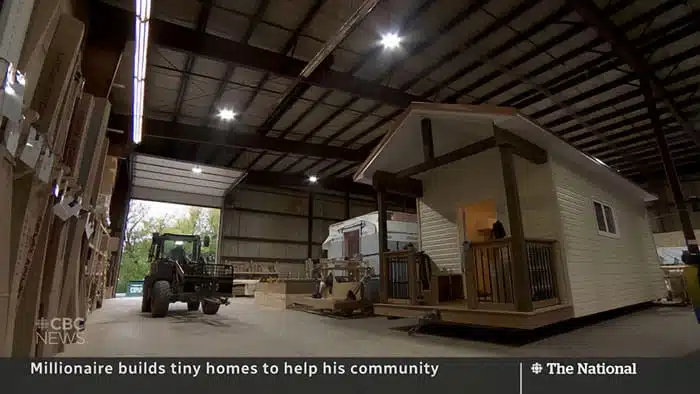
Marcel believes that giving people their own property makes them feel responsible. He thinks a community of people who used to be homeless knows the challenges others are facing.
The plan is not just about the 99 homes. There are big plans for a community center run by the residents, with things like coffee shops. They’re also thinking of a “teaching kitchen” and a silk printing business to create job opportunities. The idea is to make a space where people from the wider community can come for coffee or use printing services.
In recent times, tiny homes have become popular as a solution to homelessness, not just in Canada but also in the US. The Governor of California, Gavin Newsom, has a plan to set up 300 tiny homes in Sacramento. According to USA Today News, another 900 tiny homes are planned for San Jose, Los Angeles, and San Diego.
Local leaders across the US are trying to find shelter for tens of thousands of homeless people, whether in shelters, hotels, or apartments funded by the government. But it’s a huge problem, with more than 580,000 Americans without proper shelter, and about a third of them are in California.
In Los Angeles, many homeless people have moved from the streets to tiny homes as part of Mayor Karen Bass’ housing initiative. But some have concerns. They don’t like giving up personal belongings, and some have to share their tiny homes with assigned roommates, even if it means separating couples.
Marcel thinks that giving people their own place makes them responsible. But not everyone agrees. Some say that once people are in tiny homes, there aren’t many services offered, and it’s like being in a waiting room.
Research on tiny homes in Alameda County and Santa Clara County showed that residents didn’t find permanent housing most of the time. But compared to traditional homeless shelters, tiny homes seem to work better.
While tiny homes offer more services, they also cost more to run. Some strategies, like connecting residents with case workers and providing private bathrooms, can increase the chances of success. Giving people more time to stabilize also helps, as those who stay longer than six months are more likely to find permanent housing.
Despite the challenges, many tiny home programs only offer stays of two to six months. Marcel’s vision of building a community in a city is ambitious, but it also raises questions about how well these tiny home communities can truly address the complex issue of homelessness.
Leave a Reply