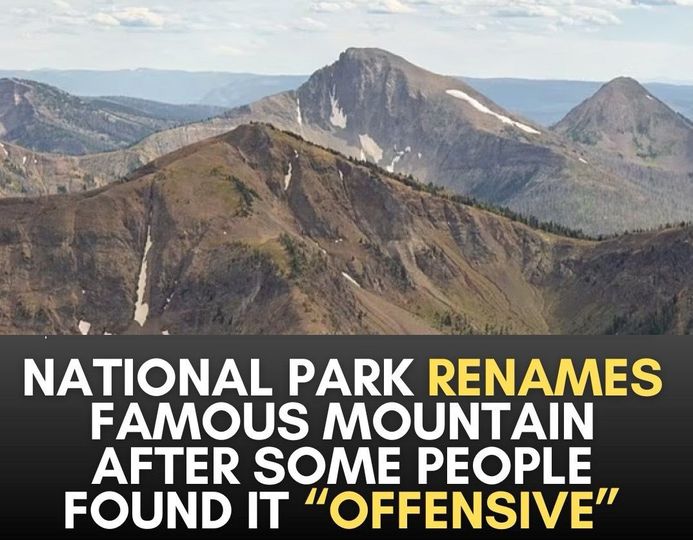
Yellowstone National Park remains a beloved destination, drawing countless visitors each year. Recently, a significant change occurred as a mountain within the park received a new name following public outcry. Originally dubbed Mount Doane after a U.S. Army officer infamous for leading a massacre of Native Americans in 1870, it’s now been renamed First Peoples Mountain, honoring the indigenous tribes with longstanding ties to the area.
The decision for the name change was made unanimously by the U.S. Board on Geographic Names, as announced by the National Park Service. Previously, the mountain, towering at 10,551 feet, bore the name of a man responsible for a brutal attack on the Piegan Blackfeet tribe in northern Montana, resulting in the deaths of numerous indigenous people. This tragedy, known as the Marias Massacre, occurred shortly after the Civil War, and the officer, Doane, boasted about his role in the genocide for the rest of his life.

For indigenous peoples, the renaming of the mountain signifies a significant step forward, removing a name associated with a mass murderer. Advocacy for the change dates back to 2018, with the Great Plains Tribal Chairman’s Association, representing sixteen Sioux tribes, leading the call for action.

“This name change is long overdue,” remarked Piikani Nation Chief Stan Grier in a statement. “We all agreed on ‘First Peoples’ Mountain’ as an appropriate name to honor the victims of such inhuman acts of genocide and to also remind people of the 10,000-year-plus connection tribal peoples have to this sacred place now called Yellowstone.”

The history of the mountain serves as a poignant reminder of the violence inflicted upon Native American communities. The massacre perpetrated by Doane and his men, targeting women, elders, and children, symbolizes a dark chapter in American history that’s often overlooked. The lack of repercussions for Doane’s actions highlights broader issues of accountability.
Renaming landmarks like First Peoples Mountain represents a broader effort to confront and acknowledge the nation’s past atrocities against indigenous peoples. It’s a step towards reconciliation and a recognition of the enduring ties indigenous communities have to the land. By honoring the memory of those who suffered, we can strive for a more inclusive and respectful future. What are your thoughts on the name change? Do you believe it’s a necessary step given the historical context?
Leave a Reply